

Energy-Efficient Pool Solutions for South Carolina Homes
Quick Answer: South Carolina pool owners can improve energy efficiency by optimizing pump speed and runtime, using efficient lighting, reducing heat and water loss, and keeping circulation and filtration equipment properly maintained. The best combination of improvements depends on the pool, its equipment, and how it is used.
South Carolina residents who own pools needn't turn their backyards into a science experiment in order to boost energy efficiency. The greatest improvements generally result from examining how the various parts of the system operate as a whole—such as circulation, pump speed, running time, lighting, heating, water loss, and maintenance. For homeowners in Lexington and the wider Midlands area, the goal isn't simply to run the equipment for shorter periods; it is to run the right equipment at the right settings for the pool they actually have.
Start with the Equipment That Runs Every Day
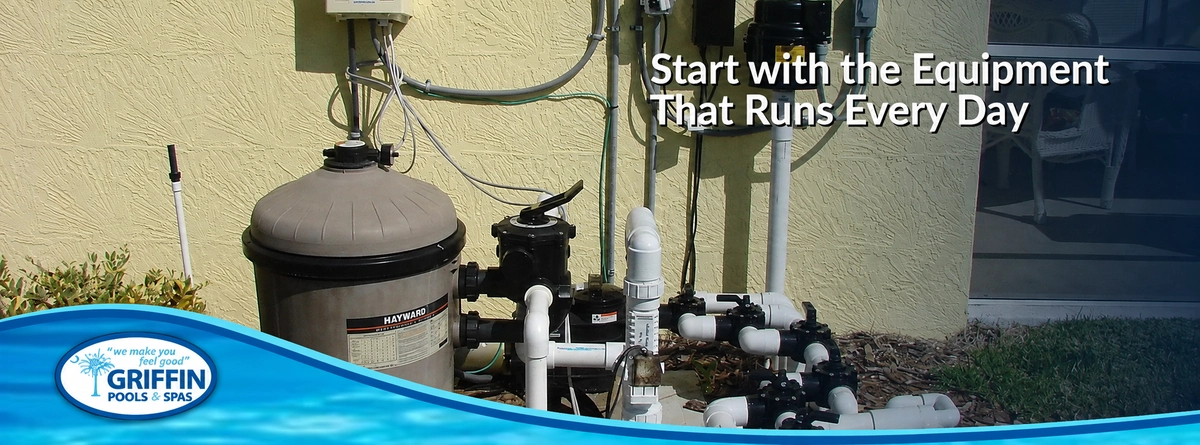
Circulation is a good starting point since the pump may run every day during pool season. A variable-speed pump gives greater control than a traditional single-speed system as it can operate at various speeds depending on the task. The flow needed for routine circulation does not have to match what a water feature, spa spillover, cleaner, heater, or other demand requires.
It doesn't follow that all pools should have the same speed or operating schedule. The size of the plumbing, the type of filter, the volume of the pool, any spa features that are attached, the sanitising equipment, and all the other components will all have an impact on how the system should be set up. Griffin Pools and Spas can assist homeowners in assessing pool and spa equipment upgrades in view of their present system rather than sticking to a one-size-fits-all method.
Match Pump Speed and Runtime to the Pool
It's not a matter of simply getting a different pump. The programming matters; running the pump faster than necessary can increase electricity use, while reducing circulation too much can cause water quality or equipment issues. A more effective method is to set the pump speed and run time based on the pool's needs at different times of day and in different seasons.
Any changes must also take into account equipment which requires a minimum water flow. Heaters, salt systems, cleaners, the water features and some of the automated functions all have their own operating requirements. This is the reason why a comprehensive review of the entire system is more useful than simply copying a timer setting from another homeowner.
Match Runtime to the Pool Instead of Using One Fixed Schedule
During the summer in South Carolina the demand for pool maintenance changes. Heat, high use, storms, pollen, leaves, and water temperature can all affect how often circulation and filtration are needed. A maintenance schedule that works in May might be too much or too little later in the season.
Timers and automation can make operation more consistent by switching equipment on and off according to a predetermined schedule. The most useful aspect is using automation to prevent unnecessary run time while still meeting the requirements of circulation, filtration, heating, cleaning, and other equipment. If homeowners think a control problem is causing excessive run time, they should first get a pool and spa repair service before replacing any equipment that may only need diagnosis or adjustment.
Efficient Lighting Can Improve the Pool After Dark
Another area where an upgrade may reduce electrical demand is pool lighting. Nowadays, LED pool lighting tends to use less electricity than earlier types such as incandescent or halogen lighting and at the same time allows homeowners greater control over the appearance of the pool in the dark. The practical issue, however, is compatibility—the existing fixture, housing, transformer, wiring and controls all play a part.
When repairing or replacing the lighting, ask whether the new setup can integrate with the pool's control system, since that makes it easier to schedule the lights to turn on when the backyard is in use and off when it is not.
Heating Choices Need to Fit How You Use the Pool
How efficient the heating is depends a great deal on the way the pool is used. For example, a family which from time to time increases the water temperature only for a weekend has different priorities from a homeowner who wishes to have a long swimming season. The choice comes down to several factors, including the type of equipment, the temperature you want, the outdoor conditions, the electrical supply, the size of the pool and how quickly you need the heat.
Before you replace the heater, you should also consider heat loss. Evaporation removes both water and heat from the pool's surface. By choosing the right pool cover, you can reduce evaporation and keep heat in the pool when it is not in use. The right cover depends on the pool's shape, features, convenience, and the homeowner's goals, so treat it as part of the overall plan rather than a one-size-fits-all solution.
Maintenance Is Part of Energy Efficiency
Even if the equipment is efficient it will perform badly if the water is not able to pass through the system properly. If the skimmer baskets are full, the filter is dirty, the returns are blocked, the water level is low or there are other restrictions to the flow, circulation will be reduced and owners may then make up for this by running the equipment for longer periods. Routine upkeep ensures the equipment operates as intended.
Water care is just as important since properly balanced water helps to maintain the condition of both the pool surfaces and the equipment. If a homeowner is uncertain about the water's requirements, pool and spa water analysis is a better basis than making an educated guess about the treatment.
Plan Upgrades Around the Pool You Actually Own
The shortest list of energy-saving measures is generally one that takes into account the present pool, rather than being a catalogue of every new product. For homeowners in Lexington, Columbia, Chapin, Elgin and the adjacent Midlands area, this could mean adjusting an inefficient schedule, replacing the pump, improving the controls, replacing old lighting, checking heating habits, or sorting out a flow issue.
Griffin Pools and Spas can advise you on which modifications are appropriate for your current equipment and how the pool is used. If you're thinking about upgrading or want help identifying where energy might be wasted, contact Griffin Pools and Spas through the link below to discuss your next practical step.
Frequently Asked Questions
What change to the pool equipment can help to improve energy efficiency?
For many pools, it's a good idea to look at pump speed and how long it runs. Although a variable-speed pump might provide greater control, the right choice depends on the plumbing, the filter, the heater, the sanitizing equipment, and the pool's features.
Should a swimming pool in South Carolina operate on the same pumping schedule throughout the summer?
It doesn't have to; during the season the use of the pool, the temperature of the water, storms, the amount of debris and the requirements for equipment all change. The schedule should match the pool's real needs while ensuring adequate circulation and filtration.
Can a pool cover be used to reduce energy consumption?
When the pool is heated, reducing evaporation is a way of keeping the heat. The best type of cover varies based on the pool's shape, features, how often it is used, and the homeowner's goals.
Is LED pool lighting more energy efficient?
LED pool lighting usually draws less electricity than earlier types such as incandescent or halogen lighting. Check that the new lighting is compatible with the existing fixture, transformer, cabling, and controls before replacing it.
Do I have to replace the pool equipment that is currently working to save energy?
It isn't always necessary to replace the equipment; instead, it may be worthwhile to review the programming, maintenance requirements, flow restrictions, timers, and controls. A review of the equipment can help to determine if an upgrade is justified.