

What You Need to Know About Pool Covers
Quick Answer: Pool covers come in several types, including mesh safety covers, solid covers, and seasonal options. A properly fitted safety cover helps keep leaves and debris out, reduces water evaporation, and forms one part of a broader pool-safety plan for homes in Lexington and the surrounding Midlands.
If you own a pool in the Midlands, you already know how quickly leaves, pollen, and storm debris can collect. A good cover makes daily ownership easier and helps protect the water when the pool is not in use. At Griffin Pools and Spas, we help local families choose and fit the right cover for their specific pool shape and lifestyle.
Main Types of Pool Covers
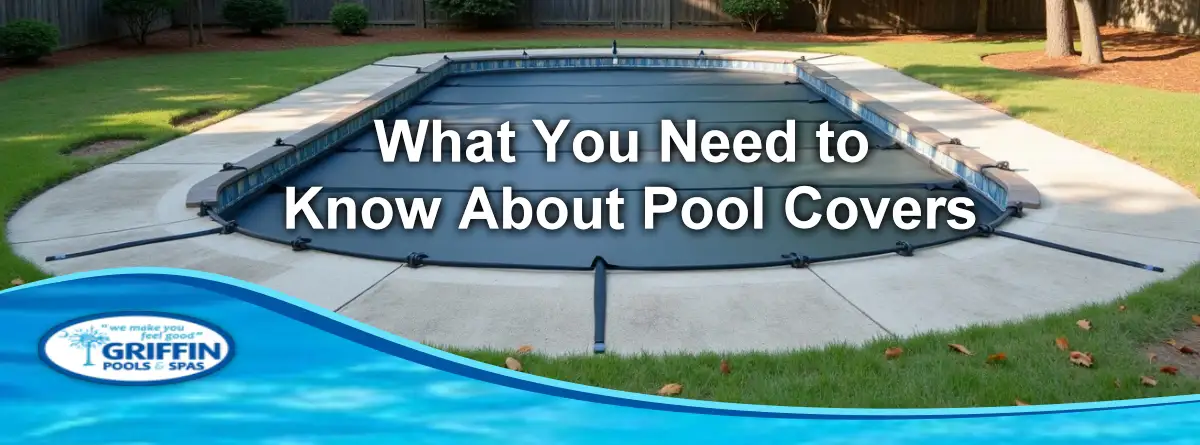
Most homeowners compare a few common styles. Mesh safety covers allow rainwater to pass through while keeping larger debris out. Solid covers block sunlight and debris more completely and are often used for longer periods of inactivity. Some owners also use lightweight solar or seasonal covers during the swimming months. The best choice depends on how the pool is used, the shape of the vessel, and how much leaf and pollen load the yard typically sees.
Key Benefits of a Properly Fitted Cover
A well-fitted cover reduces the amount of leaves, twigs, and other organic material that enters the water. That usually means less work when you reopen the pool and fewer opportunities for water-balance issues to develop. Covers can also limit evaporation, which helps in the long, warm South Carolina season. When the cover is a true safety cover that is professionally measured and installed, it can serve as one layer of protection against accidental access—always in combination with supervision, barriers, and local code requirements.
Mesh Safety Covers vs. Solid Covers
Mesh covers are popular because they drain rainwater and stay relatively light. Solid covers keep more debris and sunlight out but may need pumping or drainage attention after heavy storms. Both styles work best when they are custom-fitted to the pool’s exact dimensions and attachment points. Off-the-shelf covers that do not sit tightly often leave gaps where debris still enters.
Why This Matters
In Lexington and nearby communities, pools face months of heat, humidity, pollen, and sudden thunderstorms. Leaving a pool open and unused for long stretches often leads to more debris, more chemical demand, and more cleanup later. A cover that actually fits the pool reduces those problems and supports safer pool ownership when it is used as part of a complete safety approach.
Common Mistakes
- Choosing a cover that is not measured for the exact pool shape and size
- Treating any cover as a substitute for adult supervision or required barriers
- Leaving a poorly fitted or damaged cover in place for an entire season
Best Practices
- Have the cover professionally measured and installed so it sits tight and secure
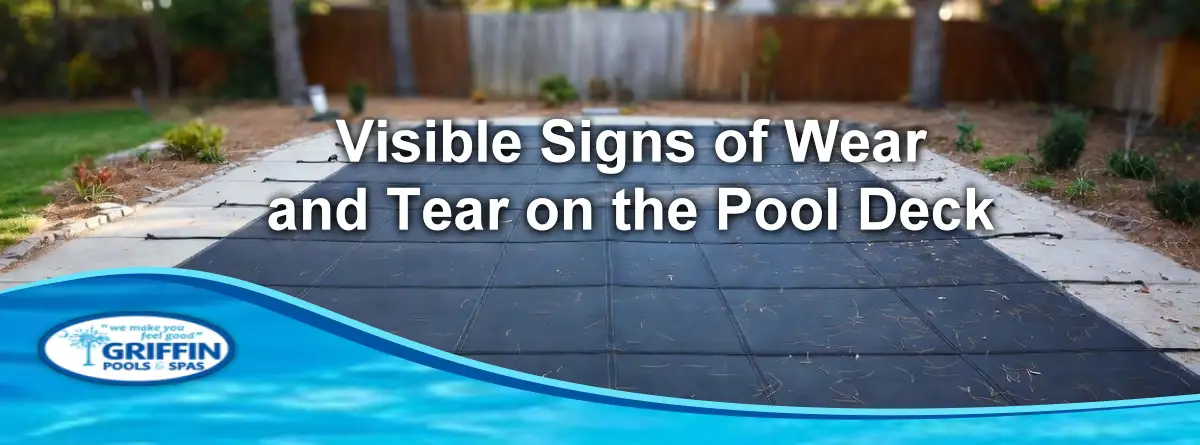
- Inspect the cover and attachment points regularly for wear or damage
- Use the cover as one part of a broader safety plan that includes supervision and barriers
South Carolina Considerations
Midlands yards collect oak leaves, pine needles, and heavy pollen in spring. Afternoon storms can drop a surprising amount of debris in a short time. A cover that stays in place through wind and rain helps keep the water cleaner between swims and during periods when the pool is closed. Occasional cooler snaps also make a solid or winter-style cover useful for short periods of inactivity.
When to Contact a Pool and Spa Professional
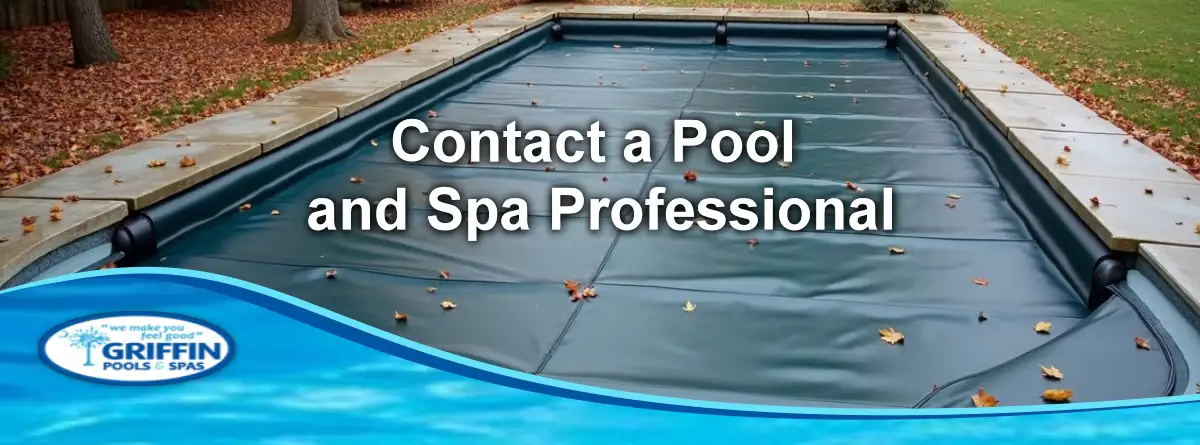
If your current cover no longer fits tightly, shows tears, or has never been properly measured for your pool, it is time for a professional evaluation. Griffin Pools and Spas can help you review pool safety covers, including CoverLogix options, and determine what will work best for your pool. You can also contact Griffin Pools and Spas to schedule a visit or discuss options at the Lexington store.
Final Thoughts
The right pool cover keeps leaves and debris out, reduces unnecessary water loss, and supports safer ownership when combined with supervision and proper barriers. Whether you need a mesh safety cover for everyday protection or a solid cover for longer periods of inactivity, a custom fit makes the biggest difference. Reach out to the Griffin Pools team to talk through the options that fit your pool and yard.
Frequently Asked Questions
What are the main types of pool covers?
The most common types are mesh safety covers, solid covers, and lighter seasonal or solar covers. Mesh covers let rainwater through while blocking larger debris. Solid covers block more sunlight and debris and are often used when the pool will sit unused for longer periods.
Do pool safety covers make a pool childproof?
No. A properly fitted safety cover is one helpful layer of protection, but it does not replace active adult supervision, compliant barriers, locked gates, or local code requirements. No cover should be treated as a complete solution on its own.
How do pool covers help in South Carolina?
Midlands pools deal with pollen, heavy leaf drop, and frequent thunderstorms. A well-fitted cover reduces the amount of debris that enters the water and can limit evaporation during the long warm season, making routine care more manageable.
When should I replace my pool cover?
Replace a cover when it no longer sits tightly, shows tears or stretched sections, or has attachment points that no longer hold securely. A cover that leaves gaps around the edges often allows debris to enter and reduces its protective value.
Can Griffin Pools and Spas help with a custom safety cover?
Yes. The team can measure the pool, discuss CoverLogix and other safety-cover options, and arrange professional fitting so the cover works with your specific pool shape and deck.